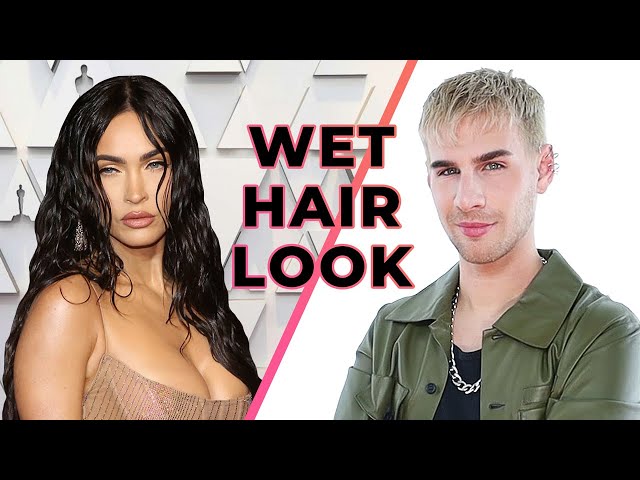
Wet hair styling, the art of manipulating hair while damp, has been a cornerstone of hair care for centuries. Whether blow-drying locks into place or braiding wet tresses to create defined curls, wet hair styling offers a versatile approach to shaping and enhancing hair's texture.
This technique not only allows for greater control and precision during styling but also provides several benefits. Wet hair is more pliable, making it easier to mold and style into desired shapes. Additionally, styling hair when wet helps distribute products more evenly, resulting in a more polished and long-lasting finish. One of the key historical developments in wet hair styling was the invention of the blow dryer in the early 1900s, which revolutionized the way hair could be dried and styled efficiently.
In this article, we will delve into the intricacies of wet hair styling, exploring its techniques, benefits, and the latest trends in this ever-evolving art form. We will also provide expert tips and tricks to help you achieve salon-worthy results at home.
Wet Hair Styling
Wet hair styling encompasses a wide range of techniques and approaches that offer distinct advantages for hair care and styling. Understanding the various aspects of wet hair styling is essential for achieving optimal results and maintaining healthy hair.
- Control: Styling wet hair provides greater control over the shaping and molding of hair, allowing for precise styling and defined results.
- Definition: Wet hair styling techniques, such as braiding or twisting, can enhance the definition of curls, waves, and other hair textures.
- Volume: Blow-drying hair upside down or using root lifters while hair is wet can create volume and lift at the roots.
- Smoothness: Applying smoothing products or using a blow dryer with an ionic nozzle can help tame frizz and create a smooth, sleek finish.
- Hold: Styling wet hair with products like mousse or gel can provide hold and keep styles in place for longer.
- Scalp Health: Wet hair styling can be gentler on the scalp compared to heat styling dry hair, reducing the risk of damage or irritation.
These aspects of wet hair styling offer a comprehensive approach to hair care and styling. By understanding and utilizing these techniques, individuals can achieve a wide range of styles, enhance their hair's natural texture, and maintain healthy, beautiful hair.
Control
When it comes to wet hair styling, control is paramount. Wet hair is more pliable and moldable, offering greater precision and definition in styling. This aspect of wet hair styling encompasses several key components:
- Sectioning: Dividing hair into sections allows for targeted styling, ensuring that each section receives proper attention and shaping.
- Product Application: Applying styling products to wet hair ensures even distribution and better hold, enhancing the control and precision of the styling process.
- Tool Manipulation: Using brushes, combs, and other styling tools on wet hair allows for greater control over the direction and shape of the hair, creating defined styles.
- Drying Techniques: Blow-drying or air-drying wet hair with controlled techniques, such as using a diffuser or directing airflow, helps shape and set the hair into the desired style.
Overall, the ability to control the shaping and molding of wet hair empowers individuals to achieve precise and defined styling results. Whether creating sleek blowouts, bouncy curls, or intricate braids, wet hair styling offers a high level of control and versatility for hair care and styling.
Definition
Wet hair styling techniques, such as braiding or twisting, play a crucial role in enhancing the definition of curls, waves, and other hair textures. These techniques work by manipulating the hair while it is wet and pliable, allowing it to retain its shape as it dries. When hair is wet, the hair follicles are more open, making it more receptive to manipulation and styling. Braiding or twisting wet hair creates tension on the hair strands, which helps to define and shape the curls or waves. The longer the hair is left in the braids or twists, the more defined the results will be.
Real-life examples of wet hair styling techniques to enhance definition include:
- Braiding: French braids, Dutch braids, and cornrows are all effective techniques for creating defined curls or waves.
- Twisting: Two-strand twists, three-strand twists, and flat twists can be used to create a variety of defined curl patterns.
- Coiling: Coiling is a technique that involves wrapping sections of wet hair around a rod or finger to create tight, defined curls.
Understanding the connection between wet hair styling and definition is essential for achieving the desired results. By using the right techniques and products, individuals can enhance the natural texture of their hair and create a variety of defined styles.
Volume
In the realm of wet hair styling, achieving volume and lift at the roots is a common goal. Blow-drying hair upside down or employing root lifters while hair is wet are techniques that directly contribute to this desired outcome. These methods manipulate the hair while it is pliable, allowing for the creation of volume and lift that can last throughout the day.
The act of blow-drying hair upside down creates volume by lifting the hair away from the scalp. As the hair dries in this position, it retains the lifted shape, resulting in increased volume at the roots. Similarly, root lifters, which are products or tools applied to the roots of the hair while wet, work by physically lifting the hair and providing support. This creates an instant boost of volume that can be further enhanced by blow-drying.
Real-life examples of incorporating these techniques into wet hair styling include using a volumizing mousse or spray at the roots before blow-drying upside down, or applying root lifting clips or Velcro rollers to the roots while hair is wet and allowing it to dry naturally. These methods can be particularly effective for individuals with fine or limp hair, as they help to create the illusion of thicker, fuller hair with more body.
Understanding the connection between wet hair styling and volume creation is essential for achieving voluminous and lifted hairstyles. By incorporating blow-drying upside down or using root lifters into their wet hair styling routine, individuals can enhance the volume and lift of their hair, creating a variety of stylish and flattering looks.
Smoothness
In the context of wet hair styling, achieving a smooth, sleek finish is often a desired outcome. Applying smoothing products or using a blow dryer with an ionic nozzle are techniques that directly contribute to this goal. These methods target the hair while it is wet and pliable, allowing for the manipulation and control of frizz and flyaways, resulting in a polished and refined look.
Smoothing products, such as serums, creams, or leave-in conditioners, work by coating the hair shaft and reducing friction between hair strands. This reduces frizz and flyaways, creating a smoother, more cohesive surface. Ionic blow dryers emit negative ions that interact with the positive ions in water droplets on the hair, breaking them down into smaller droplets that evaporate more quickly. This helps to reduce frizz and static, leaving the hair smoother and sleeker.
Real-life examples of incorporating these techniques into wet hair styling include applying a smoothing serum to damp hair before blow-drying, or using an ionic blow dryer to smooth and style the hair. These methods are particularly effective for individuals with frizzy, unruly, or coarse hair, as they help to tame frizz and create a more manageable and polished look.
Understanding the connection between wet hair styling and smoothness is essential for achieving sleek and frizz-free hairstyles. By incorporating smoothing products or using an ionic blow dryer into their wet hair styling routine, individuals can enhance the smoothness and shine of their hair, creating a variety of sophisticated and elegant looks.
Hold
When it comes to wet hair styling, achieving hold and long-lasting styles is a crucial aspect. Styling wet hair with products like mousse or gel plays a significant role in providing hold and keeping styles in place for longer. These products work by creating a barrier around each hair strand, which helps to lock in the desired shape or style. Additionally, these products can help to reduce frizz and flyaways, creating a more polished and refined look.
Real-life examples of incorporating mousse or gel into wet hair styling include applying mousse to damp hair before blow-drying to create volume and hold, or using a gel to slick back hair for a sleek and defined look. These products are particularly effective for individuals with fine or slippery hair, as they help to provide extra grip and control. Understanding the connection between wet hair styling and hold is essential for achieving long-lasting hairstyles. By incorporating mousse or gel into their wet hair styling routine, individuals can enhance the hold and longevity of their styles, creating a variety of polished and sophisticated looks.
In summary, styling wet hair with products like mousse or gel is a critical component of wet hair styling, as it provides hold and keeps styles in place for longer. These products work by coating the hair strands and creating a barrier that locks in the desired shape or style. Real-life examples include using mousse to create volume and hold, or using gel for a sleek and defined look. Understanding this connection empowers individuals to achieve long-lasting hairstyles and create a variety of polished and sophisticated looks.
Scalp Health
Within the realm of "wet hair styling," scalp health plays a crucial role. Wet hair styling techniques offer several advantages over heat styling dry hair, promoting a healthier scalp and reducing the risk of damage or irritation. This article delves into the specific aspects of scalp health that benefit from wet hair styling, providing a comprehensive understanding of its implications.
- Reduced Heat Exposure: Wet hair styling minimizes the use of heat styling tools, which can damage the scalp and hair. Heat can strip away natural oils, leading to dryness, irritation, and even hair loss. Wet hair styling allows the hair to dry naturally or with low heat settings, preserving the scalp's health.
- Gentler Manipulation: Styling wet hair is gentler on the scalp compared to dry hair. Wet hair is more pliable and less prone to breakage, reducing the risk of scalp irritation or damage. Brushing and combing wet hair with wide-toothed combs or detangling brushes minimizes pulling and tugging, protecting the scalp from unnecessary stress.
- Moisturizing Effects: Wet hair styling often involves the use of leave-in conditioners, styling creams, or hair masks. These products not only enhance the hair's appearance but also benefit the scalp. They provide deep hydration and nourishment, soothing the scalp and preventing dryness or flakiness.
- Reduced Chemical Exposure: Wet hair styling often requires fewer chemical styling products, such as hairspray or gels. These products can contain harsh ingredients that irritate the scalp. By limiting their use, wet hair styling promotes a healthier scalp environment and reduces the risk of allergic reactions or other scalp issues.
In summary, wet hair styling offers numerous advantages for scalp health. By reducing heat exposure, minimizing manipulation, providing moisturizing effects, and limiting chemical exposure, wet hair styling techniques promote a healthier scalp and create a foundation for strong, lustrous hair. Understanding these benefits empowers individuals to make informed choices when styling their hair, prioritizing scalp health and overall hair well-being.
Frequently Asked Questions about Wet Hair Styling
This section aims to address common questions and clarify aspects of wet hair styling, providing essential information to enhance your understanding and styling techniques.
Question 1: What are the primary benefits of wet hair styling?
Wet hair styling offers several advantages, including greater control over styling, enhanced definition of curls or waves, increased volume at the roots, a smooth and frizz-free finish, long-lasting hold, and reduced risk of scalp damage.
Question 2: How does wet hair styling promote scalp health?
Wet hair styling techniques minimize heat exposure, reduce manipulation, provide moisturizing effects, and limit chemical exposure. These factors contribute to a healthier scalp environment, reducing scalp irritation and promoting strong, healthy hair.
Question 3: Can wet hair styling be used for all hair types?
Wet hair styling techniques can be adapted to suit all hair types. Whether you have straight, curly, fine, or thick hair, there are wet hair styling methods that can enhance your hair's natural texture and create a variety of styles.
Question 4: Are there any precautions to consider when wet hair styling?
To prevent damage, it's important to avoid over-brushing or combing wet hair, as it is more fragile in this state. Additionally, excessive heat styling should be limited to protect the hair and scalp from damage.
Question 5: What are some essential products for wet hair styling?
Essential products for wet hair styling include leave-in conditioners, styling creams or gels, volumizing sprays, and detangling brushes. These products help enhance the hair's texture, provide hold, and protect the hair during styling.
Question 6: How can I achieve different styles using wet hair styling techniques?
Wet hair styling techniques can be used to create a wide range of styles, from sleek and straight to voluminous and curly. Experiment with different products, tools, and techniques to discover the styles that best suit your hair type and desired look.
These FAQs provide a foundation for understanding the benefits, techniques, and considerations of wet hair styling. Remember to adapt these techniques to your specific hair type and needs to achieve optimal results. In the next section, we will delve deeper into the advanced techniques and creative possibilities of wet hair styling, empowering you to elevate your hair styling skills.
Wet Hair Styling Tips
To help you achieve salon-worthy results at home, here are some detailed and actionable tips for effective wet hair styling:
Tip 1: Start with clean, detangled hair: Begin by washing and conditioning your hair to remove any dirt or product buildup. Gently detangle your hair using a wide-toothed comb or brush to prevent breakage.
Tip 2: Use a leave-in conditioner: Apply a leave-in conditioner to damp hair to provide moisture, protect against heat damage, and enhance shine.
Tip 3: Section your hair: Divide your hair into sections to make styling easier and more manageable. This allows you to focus on one section at a time and achieve even results.
Tip 4: Use the right tools: Invest in quality hair styling tools such as a blow dryer with multiple heat settings, a round brush for volume, and a detangling brush for wet hair.
Tip 5: Avoid over-brushing: When styling wet hair, be gentle and avoid over-brushing, as this can damage the delicate hair strands.
Tip 6: Use styling products sparingly: While styling products can enhance your style, use them sparingly to avoid weighing your hair down or making it look greasy.
Tip 7: Let your hair air dry partially: Before using heat styling tools, let your hair air dry for 10-15 minutes to reduce heat exposure and minimize damage.
Tip 8: Finish with a cold blast: Once your hair is dry, finish with a cold blast of air from the blow dryer to seal the hair cuticles and add shine.
Following these tips will help you achieve beautiful, healthy-looking hair with minimal damage. Remember, practice makes perfect, so don't be afraid to experiment with different techniques and products to find what works best for your hair type and style.
In the next section, we will explore creative wet hair styling ideas to inspire you and elevate your hair styling skills to the next level.
Conclusion
This comprehensive exploration of "wet hair styling" has unveiled a wealth of insights into its techniques, benefits, and potential. Wet hair styling empowers individuals to achieve a wide range of styles, enhance their hair's natural texture, and maintain healthy, beautiful hair. Key takeaways include the importance of using the right products and tools, understanding the impact of heat styling on wet hair, and experimenting with various techniques to find what works best for each hair type.
As we continue to embrace wet hair styling, it is important to remember that the health of our hair should be a top priority. By incorporating gentle techniques, using heat protectants, and avoiding over-styling, we can achieve stunning results while preserving the integrity of our hair. Wet hair styling is an art form that invites creativity and exploration. Embrace the opportunity to experiment with different styles and techniques, and discover the endless possibilities of wet hair styling.



No comments:
Post a Comment